The Wine Routes of Europe · Route 08
Sicily
Fire & Sea — Etna, Marsala & the Native Grapes
The Route
Fire & Sea — Etna, Marsala & the Native Grapes
The discovery buyer's dream: volcanic wines grown on lava at altitude, native grapes still underpriced, Greek temples and baroque towns alongside — and a season that runs when the rest of wine Europe is closed.
A History in the Glass
Sicily, across the centuries.
Greek colonists brought vines to Sicily in the eighth century BC, and for a thousand years the island was one of the Mediterranean's great wine exporters — the temples at Agrigento and Segesta were built on that trade. Rome, the Arabs, the Normans and the Spanish each took a turn; each left something in the vineyard and the kitchen. Wine has been made continuously here for roughly three thousand years.
The island's most famous wine was, oddly, an English invention. In the 1770s an English merchant sheltering from a storm in a western Sicilian port tasted the local fortified wine, recognised something that could rival Port and sherry in the British market, and began shipping it. Within decades it was a global commodity; the British fleet in the Mediterranean was supplied with it. The great warehouse cellars built for that trade still line the west coast — and the wine itself, tasted where it was made, bears little resemblance to the cooking ingredient it later became.
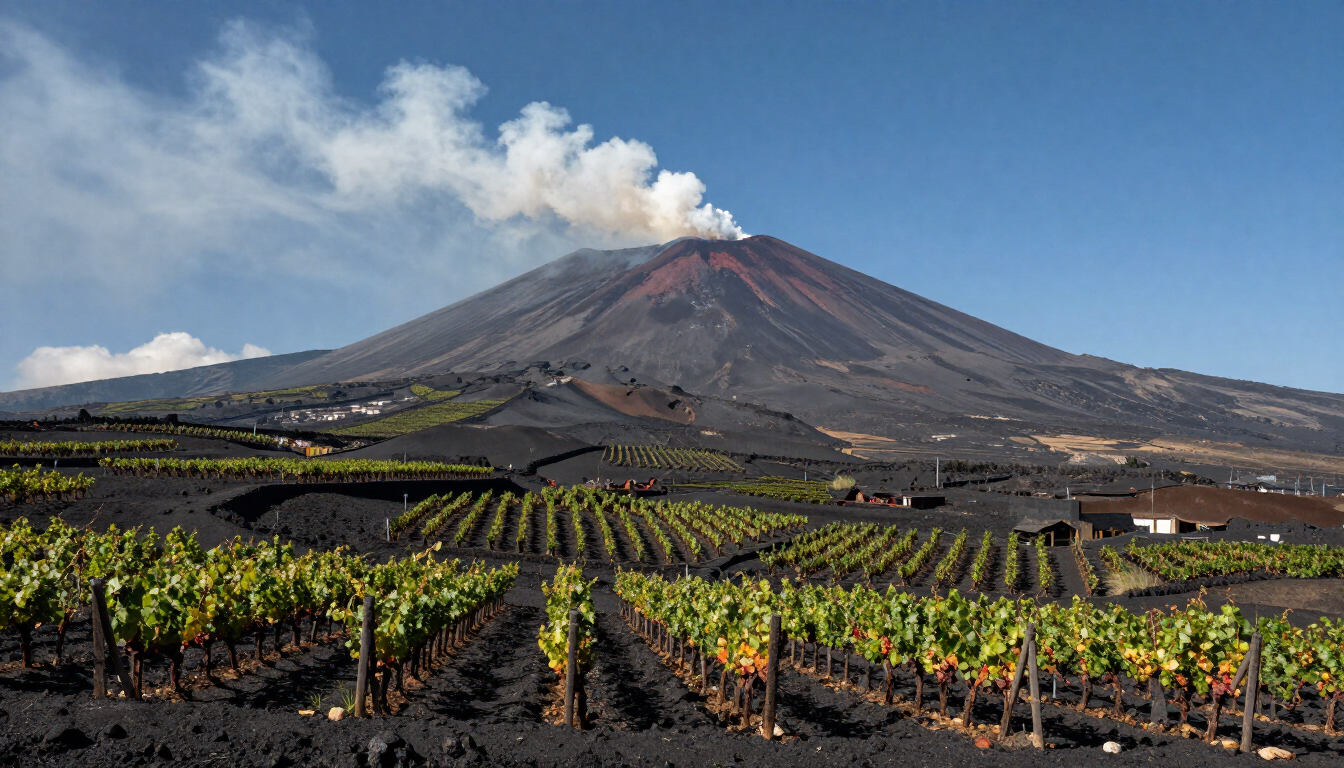
The Etna story is the newest and the most exciting. Vineyards climb the flanks of Europe's most active volcano to a thousand metres, on black soils divided into parcels called contrade — a system so precise that comparisons with Burgundy's climats are now routine. Old ungrafted vines survive here in a way they do not elsewhere, some of them well over a century old, planted on lava flows that can be dated to the year. Serious international attention arrived only in the last twenty-five years, which is precisely why the wines still represent value.
Sommelier Notes
Etna's contrade are parcel-by-parcel zones now compared to Burgundy's climats — but the wines still represent value because serious attention arrived only twenty-five years ago. Tasting Nerello from a lava flow you can date to the year is unlike anything else in Europe.
Head Sommelier — Etna volcanic programme
Sicily works in December and January, when France and northern Italy are shut. Sending a group to the volcano in winter, with baroque towns and Greek temples alongside, is the single best off-season wine journey we offer.
Wine Director — Private client travel
Interesting Facts
- ◈
Greek settlers planted vines in Sicily in the eighth century BC — roughly three thousand years of continuous winemaking.
- ◈
Etna is Europe's most active volcano, and its vineyards climb its slopes to around a thousand metres.
- ◈
Etna's vineyards are divided into contrade — single-parcel zones now routinely compared to Burgundy's climats.
- ◈
Vineyards on Etna can be planted on lava flows dated to a specific eruption year; many old vines are ungrafted and over a century old.
Things That Make This Region Extraordinary
Six reasons this route is unlike any other.
Greek settlers planted vines in Sicily in the eighth century BC — roughly three thousand years of continuous winemaking.
Etna is Europe's most active volcano, and its vineyards climb its slopes to around a thousand metres.
Etna's vineyards are divided into contrade — single-parcel zones now routinely compared to Burgundy's climats.
Vineyards on Etna can be planted on lava flows dated to a specific eruption year; many old vines are ungrafted and over a century old.
Marsala was commercialised in the 1770s by an English merchant looking for an alternative to Port and sherry; the British fleet was supplied with it.
Sicily is one of very few European wine regions that works properly from December to March, when France and northern Italy are shut.
In the Glass
What you will be drinking.
Pale, high-altitude, mineral reds from volcanic slopes that drink far more like Piedmont or Burgundy than anyone expects from the deep south; rich, warm Nero d'Avola from the baroque southeast; and historic fortified wine tasted at its source, in the cellars built for it.
Grapes
Nerello + Nero d'Avola
Character
Volcano + baroque
Marsala at its source bears no resemblance to the cooking ingredient it became. The vast warehouse cellars built for the British fleet in the 1770s, tasted where the wine was made, rewrites what guests thought they knew about fortified wine.
Cellar Master — Marsala heritage tasting
The Journey
How the days unfold.
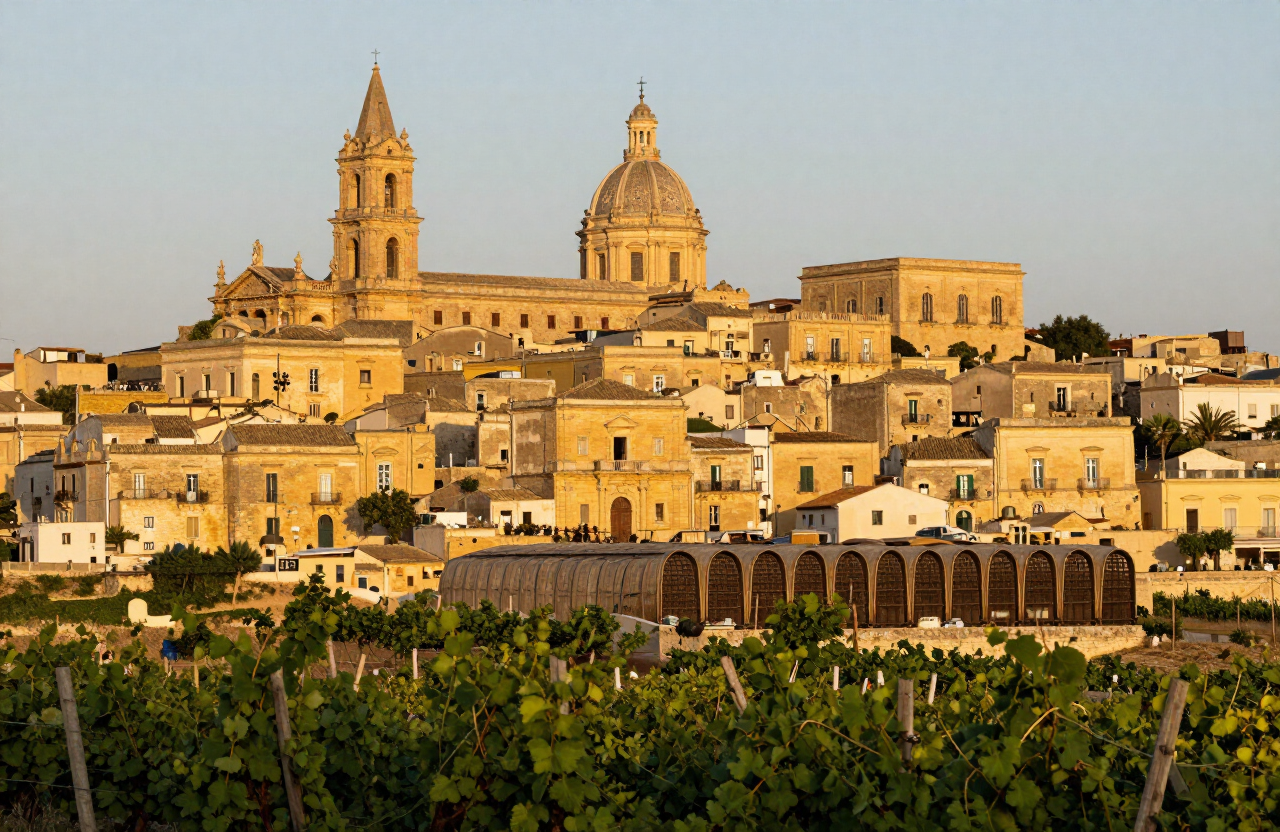
A baroque city beneath the volcano, then the north slope and its parcel-by-parcel tastings, a black-lava excursion with craters and sea views, the golden baroque towns of the southeast, and — for those who want the full picture — the historic west and its vast warehouse cellars.
Best suited to
Discovery-led travellers
Duration
6 days / 5 nights
When to go
Dec–Mar · May–Jun · Sep
More to know
Further facts from the route.
Marsala was commercialised in the 1770s by an English merchant looking for an alternative to Port and sherry; the British fleet was supplied with it.
Sicily is one of very few European wine regions that works properly from December to March, when France and northern Italy are shut.
Continue exploring
The other nine routes across Europe.
Begin here
Your Sicily journey, designed privately.
Tell us the route, the group and the season. We return a complete private itinerary within 48 hours.